
Open 24/7, Monday to Sunday | Serving Cocoa since 2014(321) 513-4463
Nora Dumpster RentalDumpster Rental Cocoa, FL
Dumpster Rental Cocoa, FL

Local debris service

Dumpster Rental Cocoa, FL

Nora Dumpster Rental documents placement and pickup, with driveway protection checked before the truck leaves.

Dumpster Rental Cocoa, FL gives homeowners, contractors, and property managers a practical way to control debris during cleanouts and construction. Nora Dumpster Rental helps choose the container, checks the placement area, and coordinates pickup around the actual work instead of guessing from a project description.

  • Licensed, bonded and insured
  • Serving since 2014
  • 24/7, Monday to Sunday
  • 5160 + containers delivered
  • Serving Brevard County

Local operating experience

Cocoa projects need more than a container

Nora Dumpster Rental has served the area since 2014, handling the practical details that determine whether a container works at a Cocoa property. Older homes near the Indian River may have narrow side access, short driveways, mature trees, or soft ground after a wet spell. Newer subdivisions can offer easier approaches but still have tight lots, shared pavement, and neighborhood rules to consider. We look at the debris, the truck route, and the proposed set-down area before recommending a size. That keeps a small household project from paying for unnecessary capacity while preventing a larger renovation from running out of room halfway through the job.

A container is only useful if the truck can place it safely and remove it without damaging the property. Nora Dumpster Rental uses photo-documented drop-offs and pickups with driveway protection, giving the crew a record of where the container sat and how the surface was protected. That matters on concrete drives, paver approaches, asphalt shoulders, and properties where a container must sit close to a street. The company is licensed, bonded and insured, and has delivered 5160 containers across the work it handles. Describe the site honestly, including slopes, gates, overhead branches, and the heaviest material.
Project-specific options

Cocoa dumpster rentals for real cleanup work

Different debris streams create different loading and weight problems. These options help match the container to the job, from a small room refresh to an active commercial site.

  • Home Cleanout Dumpsters

    A home cleanout may include furniture, cabinets, broken shelving, and mixed household material. We help separate ordinary debris from items that need another disposal route, then recommend enough room to load safely without overfilling. This is often a better fit than repeated trips with a personal vehicle.

    Household projects
  • Garage and Attic Cleanouts

    Garages and attic spaces often hold dense, awkward material that takes more room once it is sorted. A container gives you a controlled loading area while the crew considers driveway width, low rooflines, access doors, and the need to keep walkways clear during the cleanup.

    Storage cleanup
  • Moving and Estate Cleanouts

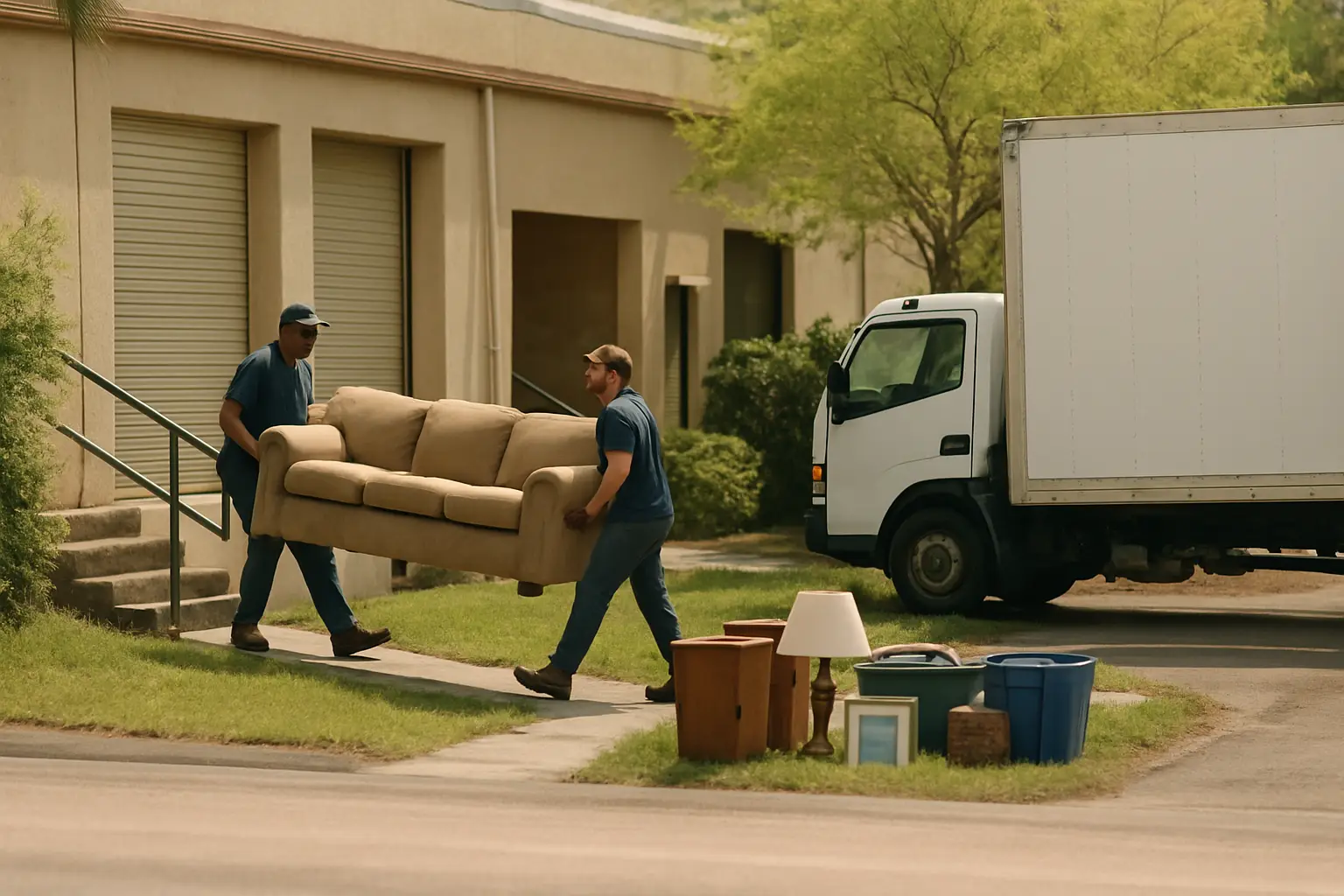
    Moving and estate work can produce furniture, boxed belongings, carpet, and household fixtures in uneven waves. We help plan the placement around the property and identify materials that should not be loaded together. A scheduled pickup keeps the container from becoming a permanent obstacle during sorting.

    Property transitions
  • Yard Waste Dumpsters

    Storm cleanup, trimming, and landscape work can create bulky branches and vegetation quickly. Tell us whether the load is clean yard material or mixed with soil, fencing, treated wood, or construction debris. That distinction affects loading space, weight, and the container that makes sense.

    Outdoor cleanup
  • Renovation Debris Dumpsters

    Kitchen, bath, flooring, and room renovations produce a changing mix of cabinets, drywall, tile, wood, and packaging. We size the container around the demolition plan and available access, not just the room count. Keep heavy material distributed across the floor instead of piling it at one end.

    Remodeling debris
  • Same-Day Dumpster Delivery

    Same-day delivery can sometimes work when a suitable container, truck route, and placement area line up. It is not a promise that every size is available immediately. Share the job location, access limits, material type, and desired placement so we can give a realistic answer before preparation starts.

    Urgent scheduling
  • Concrete and Heavy Debris Containers

    Concrete, block, brick, asphalt, and similar material become heavy before a container looks full. These loads need careful size selection and disciplined loading, especially on Cocoa driveways or ground softened by rain. We discuss the material and amount first rather than recommending a large container by volume alone.

    Heavy material
  • Commercial Construction Dumpsters

    Commercial work needs predictable access, clear staging, and a plan for changing debris volume. We coordinate container placement around deliveries, equipment, workers, and site traffic. For an active jobsite, explain the construction phase and expected material so the container does not interfere with safe movement.

    Jobsite service
  • Recurring Business Waste Containers

    Retail, property maintenance, remodeling, and other ongoing operations may need repeated container service rather than a single cleanup. We discuss the waste pattern, enclosure or loading area, access hours, and pickup rhythm. The practical choice may be a scheduled rotation or an occasional container, depending on volume.

    Ongoing service

Additional work

Choose another service when debris is not the whole job

How scheduling works

A straightforward plan keeps the job moving

  1. Describe the project

    Start with the material, approximate amount, property type, and preferred placement. Mention concrete, roofing, soil, appliances, vegetation, or demolition debris because weight and disposal handling matter. Photos are useful when access is unusual, but a clear verbal description still gives the crew a workable starting point.

  2. Review access and placement

    The crew considers driveway width, turning room, overhead branches, gates, slopes, pavement, and distance from the truck approach. In Cocoa, a short driveway can still be difficult if the truck must approach from a narrow street or avoid drainage edges. Public placement may require local permission first.

  3. Select the container

    Size follows the debris and the way it will be loaded. Bulky light material needs room, while concrete and masonry reach a safe weight sooner. We explain the tradeoff plainly, including when a smaller container is the better buy and when under-sizing would create extra handling or an unsafe load.

  4. Prepare the set-down area

    Move vehicles, toys, low branches, and loose objects away from the planned location. Keep the approach open and tell us about irrigation heads, buried features, soft shoulders, or shared driveways. The area should be level enough for stable placement and should not block required access or sightlines.

  5. Load and coordinate pickup

    Load material evenly and keep it below the top edge. Do not place prohibited or uncertain items inside without checking first. When the work is finished, describe the pickup conditions, including changed access, parked vehicles, or ground softened by rain, so removal can be planned safely.

Why the details matter

Good container service starts before delivery

  1. Placement is treated as part of the job

    A container dropped in the wrong place can damage a driveway, block a gate, or force workers to carry debris farther than planned. We consider the truck approach and set-down surface together. Photo-documented drop-offs and pickups with driveway protection create a clear record of the placement, which is especially useful where concrete, pavers, narrow lots, or shared access leave little room for error.

  2. The size recommendation has a reason

    The biggest container is not automatically the right container. A roofing job, a kitchen remodel, and a garage cleanout fill differently, while concrete and block become heavy quickly. We ask what the material is, how it will be loaded, and whether the work arrives all at once. If a smaller option fits, we will say so instead of selling unused space.

  3. Local conditions are part of scheduling

    Cocoa properties can change from one block to the next. Older neighborhoods may have mature trees, narrow approaches, and established driveways, while newer areas may have construction traffic, tight lots, or shared pavement. Rain can soften unpaved shoulders and summer storms can alter cleanup plans. Explain the site as it exists now, not as it looked before the project began.

Service standards

What careful dumpster work includes

  • Every placement starts with a review of access, surface condition, and truck clearance.
  • Material type determines the practical size more than container capacity alone.
  • Driveways receive protection appropriate to the surface and placement conditions.
  • Customers should keep the container below its top edge for safe transport.
  • Heavy debris must be discussed before loading so weight limits are not guessed.
  • Pickup planning accounts for parked vehicles, gates, weather, and changed site conditions.
  • Uncertain materials should be identified before they enter the container.
  • Scheduling is available 24/7, Monday to Sunday for active projects and cleanouts.

Placement planning

Where a Cocoa container can safely sit

A Cocoa container usually works best on a private driveway or another firm, level area with a clear truck approach. The driver needs enough width to enter, align, and lower the container without scraping branches, striking gates, crossing unstable shoulders, or climbing a grade that changes the placement. Check for irrigation heads, septic features, low cables, carports, and drainage edges before choosing the spot. A container on a public street usually needs town permission first, so explain the proposed location before delivery. Streets near older riverfront neighborhoods may have tighter approaches than newer subdivisions, and parked cars can remove the turning room a map seems to show. Keep the entire approach open, not just the final set-down area.

The driveway surface affects both access and protection. Concrete can crack under concentrated pressure, pavers can shift, asphalt can soften during hot weather, and sandy or wet ground may not support the truck safely. Cocoa rainstorms can leave shoulders and grass unsuitable even when the driveway looks dry. We review the surface, slope, overhead clearance, and route from the road to the placement point. Move vehicles and loose items, unlock gates, trim or identify low branches, and tell us about any section the truck cannot cross. The best location is not always closest to the renovation. It is the place that lets the truck work safely while keeping loading practical.

Container placement depends on the full truck route, not only the driveway.

Private property placement is usually simpler than street placement, subject to local requirements.

Clear branches, gates, vehicles, and fragile surface areas before delivery.

Size and weight

Cocoa homes change the size decision

Cocoa has older homes, mid-century properties, newer subdivisions, condos, and apartments, so the same room count can produce very different debris. A bath update may include dense tile and fixtures, while a garage cleanout may contain bulky but lighter household goods. Older homes can add plaster, wood trim, cabinets, and layers of flooring. Roofing work often creates a large volume of shingles that becomes heavy quickly. Newer construction may produce drywall, framing scraps, packaging, and concrete from exterior work. Tell us the building type, renovation stage, and material list. The amount left after sorting matters more than the original size of the room.

Weight changes the decision before the container looks full. Concrete, block, brick, asphalt, dirt, tile, and roofing debris should not be treated like cardboard or household clutter. A smaller container may be safer for dense material, while a larger container may be useful for light, bulky items. Do not mix heavy debris with loose material just to use every inch. Load evenly, keep the contents below the rim, and ask before including soil, appliances, paint, chemicals, or other uncertain items. If a storm cleanup follows strong wind or flooding, separate vegetation from construction debris when possible. That makes the load easier to assess and keeps the project from becoming a disposal guess.

Bulky household material needs room, while masonry reaches a safe weight sooner.

Older Cocoa homes may produce layered flooring, plaster, trim, and dense fixtures.

Describe every heavy material before choosing a container size.

Common questions

Answers before you schedule a container

What size dumpster do I need for a home project?

The right size depends on the material, volume, weight, and loading method, not simply the room count. A small bathroom update may fit a 10 Yard container, while a whole-room remodel or roofing project may need more capacity. Cocoa homes can produce different debris from similar projects because of flooring layers and construction age. List the rooms, materials, and access limits before choosing.

Can a dumpster go in my Cocoa driveway?

A dumpster can often sit on a private driveway when the surface, slope, clearance, and truck approach are suitable. Concrete, pavers, asphalt, sandy shoulders, and wet ground require different placement consideration. Tell us about gates, branches, drainage, irrigation, and nearby vehicles in Cocoa. Remove obstacles and leave the full truck path open before delivery.

Can I place a dumpster on a Cocoa street?

Street placement may require town permission and must account for traffic, visibility, curb access, and collection or emergency routes. Approval is not automatic simply because the container fits along the curb. Tell us the exact street location and property conditions in Cocoa so we can explain what should be checked. Do not reserve a public placement area before confirming the requirements.

How long can I keep a dumpster?

The usable period depends on the project schedule, container availability, material, and pickup plan. A short cleanout and an ongoing renovation may need different coordination. Weather can also change a Cocoa project, especially during wet periods or storm cleanup. Discuss the expected loading dates and tell us early if the work changes so the schedule can be reviewed.

What cannot go in a dumpster?

Items such as hazardous chemicals, certain paints, fuels, pressurized containers, and other regulated materials may require a separate disposal route. Appliances, electronics, tires, soil, and heavy masonry should also be discussed before loading because handling rules can vary. Cocoa storm debris may need separation by material. Make a list of unusual items and identify them before the container arrives.

Can I get same-day dumpster delivery in Cocoa?

Same-day delivery may be possible when the needed size, truck route, and placement conditions line up, but it cannot be guaranteed for every project. Availability also depends on material and delivery logistics. Give us the Cocoa address, desired size, debris type, access limits, and preferred placement. A realistic answer is better than promising a delivery that cannot be completed safely.

How should I prepare my driveway for a dumpster?

Clear vehicles, branches, toys, tools, gates, and loose objects from the proposed location and the truck approach. Check for soft shoulders, drainage edges, irrigation, buried features, and overhead obstructions. Cocoa rain can leave ground unstable even after the surface dries. Keep the area level and accessible, then describe anything the driver must avoid before delivery.

Can I rent a dumpster for concrete or roofing shingles?

Concrete and roofing shingles can be handled when the container size and safe weight plan match the material. Dense debris becomes heavy before the container is full, so a large volume container may be the wrong choice. Tell us whether the Cocoa project includes block, tile, asphalt, or shingles. Load heavy material evenly and keep it below the top edge.

Plan the next step

Tell us what the Cocoa project involves

Nora Dumpster Rental can help you sort through size, material, access, and placement before the truck is scheduled. Service is available 24/7, Monday to Sunday. The more accurately you describe the property and debris, the less likely you are to choose a container that does not fit the work.

Phone

(321) 513-4463

The call covers container size, material limits, placement conditions, scheduling, and pickup planning.

Availability

24/7
Monday to Sunday, day and night

Have this ready

  • Project address and placement area
  • Debris type and estimated amount
  • Driveway, gate, and overhead details
  • Preferred delivery and pickup dates

Where we work

Cocoa, plus Rockledge, Cocoa Beach, Cape Canaveral, Titusville, Satellite Beach, Indian Harbour Beach, Melbourne, West Melbourne, Indialantic and Palm Bay.

See the full service area list

Get the container plan right before cleanup starts

Describe the debris, access, and surface where the container must sit. Nora Dumpster Rental will help you compare practical options, explain what needs separate handling, and plan the next step around the Cocoa property.

Click Here to Call(321) 513-4463

Nearby service area

Dumpster service around Cocoa

Nora Dumpster Rental works from Cocoa across nearby Brevard County communities, including Rockledge, Cocoa Beach, Cape Canaveral, Titusville, Satellite Beach, Indian Harbour Beach, Melbourne, West Melbourne, Indialantic, and Palm Bay. Each property still gets its own review of access, surface, debris, and placement rather than a blanket recommendation.

Downtown CocoaCocoa VillagePort St. JohnSharpes

Dumpster Rental in nearby towns

Click Here to Call(321) 513-4463